Bosphorus Mansions: Architecture and Investment Value
The architectural heritage of Bosphorus waterfront mansions from the Ottoman era to today, the rules that protect them and why they are among the rarest property assets in the world.
5 min read Updated November 18, 2026
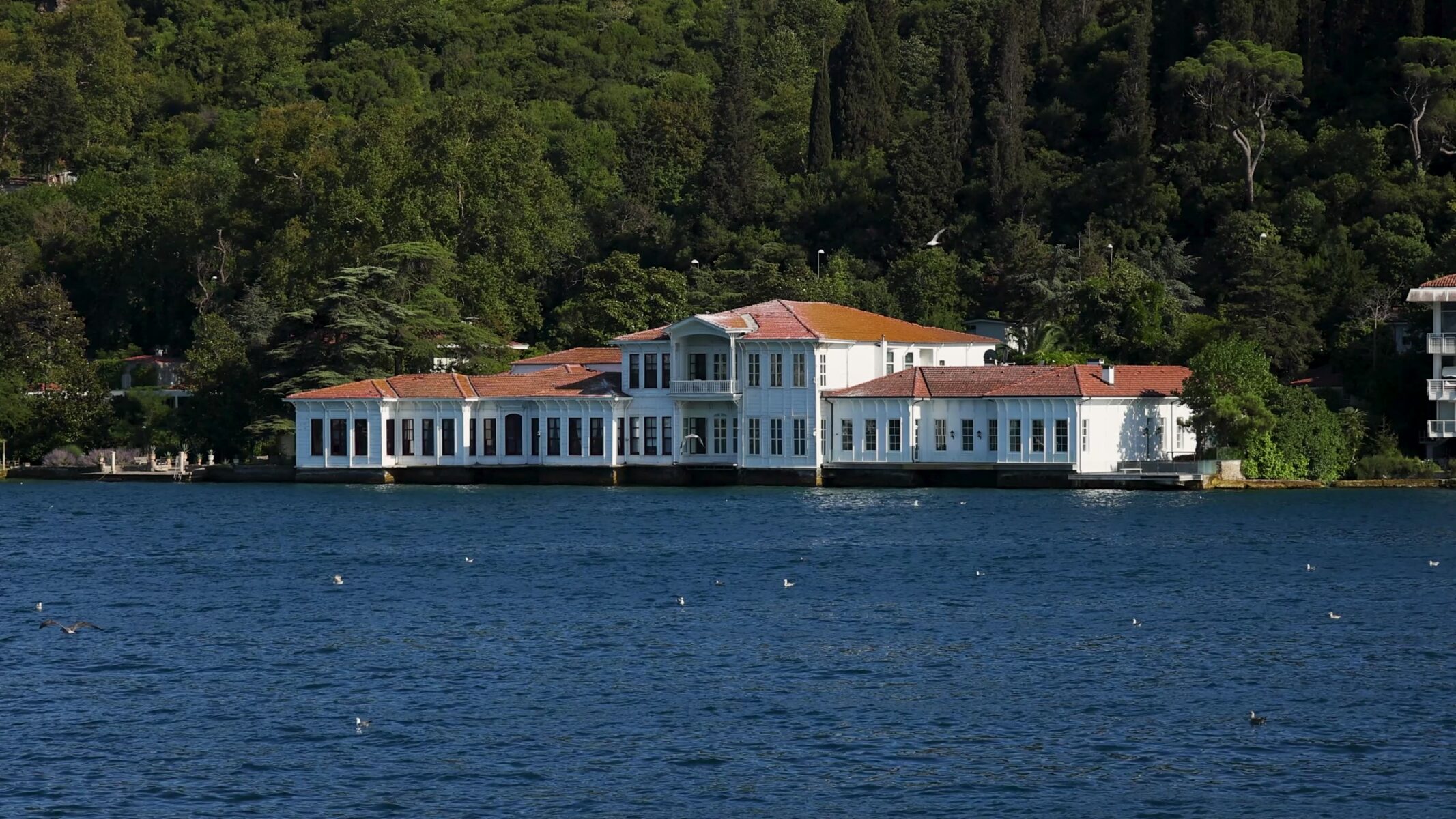
The yalıs that line both shores of the Bosphorus are an inseparable part of Istanbul’s identity. With their waterfront settings, graceful timber façades and stories spanning centuries, they are not just homes but living cultural heritage. In this article we look at what defines yalı architecture and why these mansions are such exceptional assets.
An architecture born on the shore
The word yalı comes from a Greek word meaning shore. In the Ottoman period, pashas, grand viziers and wealthy families built timber summer mansions on the Bosphorus to escape the city’s heat. The Amcazade Hüseyin Pasha Yalı in Kanlıca, regarded as the oldest surviving yalı, dates from the late 17th century.
The main features of classic yalı architecture include:
- A timber frame with bay windows projecting towards the water
- Deep eaves and rooms arranged around the view
- A plan traditionally divided into private (harem) and reception (selamlık) wings
- A boathouse on the water level and a quay opening directly onto the sea
- In some mansions, façades painted in the deep oxblood red known as “aşı boyası”
A protected heritage
The Bosphorus gained special status with Bosphorus Law No. 2960, which came into force in 1983 and severely restricted new construction along the shoreline. Many yalıs are also registered cultural assets, and any repair or restoration requires the approval of the relevant regional conservation council.
These strict rules preserve the authentic character of the yalıs, but they also turn restoration into a long, specialised undertaking. A properly restored yalı, however, offers both historic value and contemporary comfort.
Investment value: scarcity and permanence
Only a few hundred yalıs are estimated to survive on the Bosphorus today, and building a new one is effectively impossible. With fixed supply and demand coming from a select group of buyers around the world, yalıs are among the rare assets that hold their value over the long term.
That said, investing in a yalı follows different dynamics from a standard home. Sales can take time, maintenance and restoration costs are high, and buying a listed building involves additional procedures under conservation legislation. Experienced advice and thorough legal and technical due diligence are therefore essential.
Yalı living today
Today’s yalıs are adapted to contemporary life while keeping their historic character. Restorations preserve original timber details, decorated ceilings and staircases, while underfloor heating, modern kitchens, smart-home systems and seismic strengthening are discreetly integrated into the structure. Boathouses on the water level are often turned into private moorings and living spaces facing the sea. A way of life in which morning coffee is taken on the quay and evenings are spent watching the lights of the bridges places yalıs among the most exclusive addresses in the world.
What to check when buying a yalı
- The building’s listing status and conservation grade
- Whether past restorations were approved by the conservation council
- The condition of the structure, timberwork and quay
- The coastline boundary and rights to use the jetty
- A realistic estimate of annual maintenance and insurance costs
With our experience in the finest properties on the Bosphorus, Invesist Group is at your side, in complete discretion, throughout your search for a yalı.
This article is for general information only and does not constitute investment, legal or tax advice.